
Why the Communications and Video Accessibility Act Still Matters
Sixteen years ago this week, a law called the CVAA was signed. It’s one of the reasons people with disabilities can use many of today’s phones, video services, and TV menus. Technology has changed a lot since then, and the law is a good reminder of why access has to keep up.
Think about how much has changed since 2010. Smartphones are now part of daily life. We stream movies and TV shows, join meetings online, and send messages all day long. We use the internet for school, work, shopping, and keeping in touch with family.
Now think about trying to use all of those tools when they weren’t designed with you in mind. For many people with disabilities, that has been a real problem.
What the CVAA does
The Twenty-First Century Communications and Video Accessibility Act, or CVAA, became law on October 8, 2010. The idea behind it was simple. As technology moves forward, people with disabilities should move forward with it.
The Americans with Disabilities Act (ADA) had become law 20 years earlier, in 1990. It was a big step for disability rights. But by 2010, people weren’t just talking on home phones anymore. They were using smartphones, email, and online video, and TV shows were showing up on the internet. Older accessibility laws weren’t written with these tools in mind. The CVAA helped close some of those gaps.
The law covers things like:
- email, text messaging, and video calls
- closed captions on TV shows that are also shown online
- video description, which uses narration to describe what’s happening on screen
- emergency information shared on TV
- controls and menus on TVs and other devices
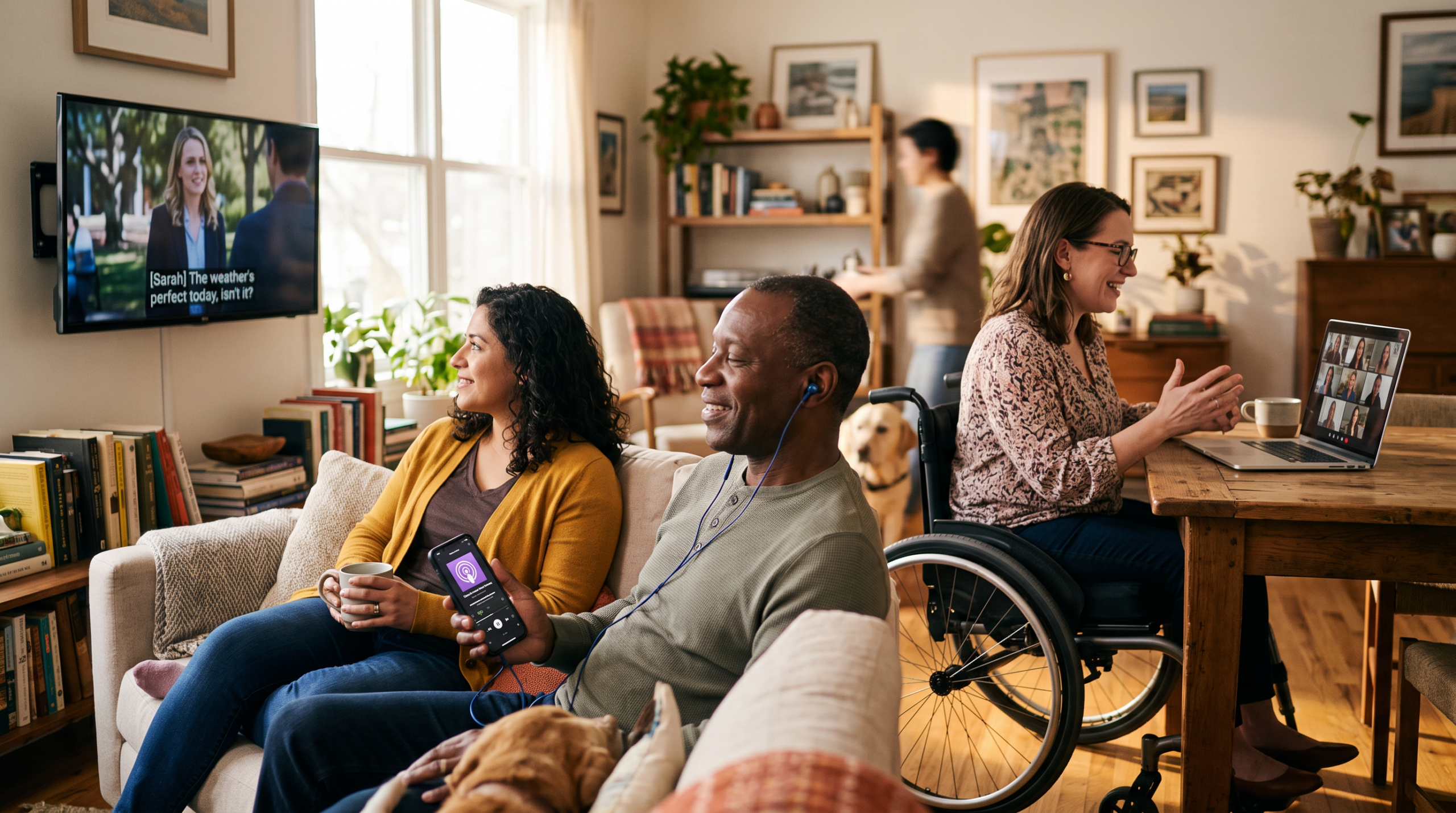
For someone who is Deaf or hard of hearing, captions show the spoken words as text. For someone who is blind or has low vision, video description explains important moments they might otherwise miss. These features aren’t extras. They’re how many people take part in everyday life.
Why it still matters
Today, we use technology to apply for jobs, go to meetings, do homework, get emergency alerts, watch the news, and stay close to the people we love. When those tools aren’t accessible, people with disabilities get shut out of things most of us do without thinking.
Technology also hasn’t stopped changing. Artificial intelligence (AI), streaming, virtual meetings, apps, and smart devices are a bigger part of life every year. Years from now, we’ll be using tools no one has dreamed up yet. Each time something new comes along, we need to ask whether everyone will be able to use it.
Accessibility works best when it’s part of the plan from the start. When people with disabilities help shape a product while it’s being designed, it’s much more likely to work for everyone. If accessibility waits until the end, the barriers are often already built in.
Looking ahead
The CVAA’s anniversary is a good time to look back at how far technology has come and think about where it’s headed. The tools will keep changing. Equal access should stay part of the conversation the whole way.
At Advocacy Network on Disabilities, we believe everyone deserves the chance to take part fully in their community. As more of daily life moves online, we want to see technology built with people with disabilities in mind from the very beginning. That’s part of working for a world where everyone belongs.