
Caring for the People Who Care
November is National Family Caregivers Month. About 63 million people in the U.S. care for a family member or friend. This month is a time to thank them and to help them find support.
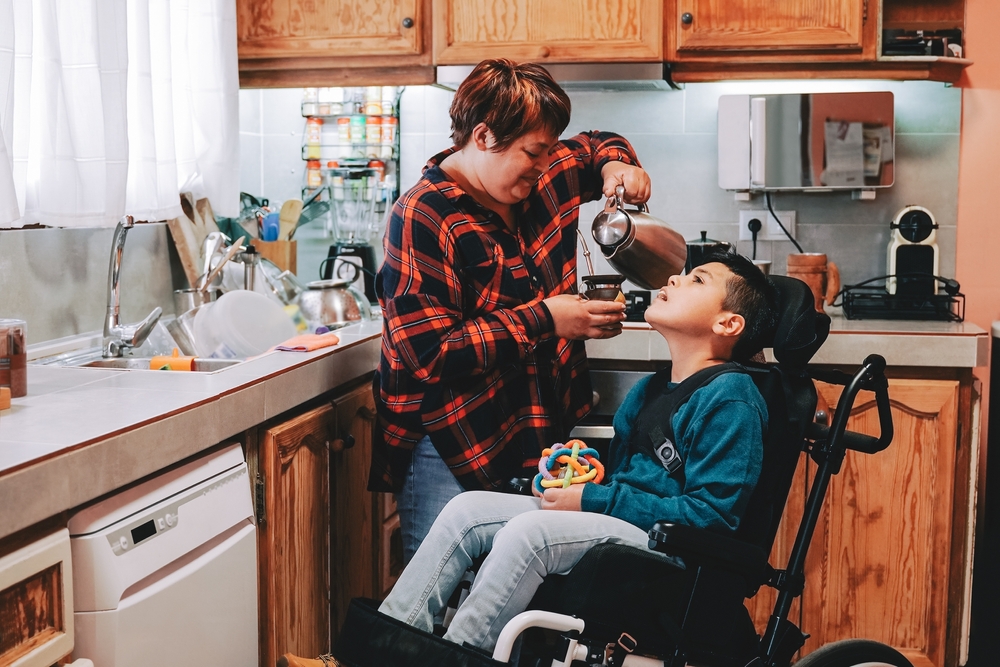
A mom wakes up early to give her son his medicine before school. A daughter drives her father to his doctor visits after work. A grandfather learns how to work the lift on his granddaughter’s van. Most of them wouldn’t call themselves caregivers. But that’s what they are.
A family caregiver helps a loved one with daily needs. The loved one may be older, sick, or have a disability. Most caregivers aren’t paid. Many do this work on top of a job, school, or raising other children.
In 2025, AARP and the National Alliance for Caregiving shared a big report. It found that 63 million Americans are family caregivers. That’s almost 1 in 4 adults. It’s also about 20 million more than ten years ago. About 4 million of them care for a child under 18 with an illness or disability.
The work is often heavy. Nearly 1 in 4 caregivers give 40 or more hours of care each week. That’s a full-time job. Many caregivers say they feel stressed, tired, or alone. Many also face money problems because of caregiving.
This year’s theme is “Care Connects Us.” The Caregiver Action Network picked it. This group leads the month each year. The theme is about the bonds that grow through care. Caregivers grow close to the people they help. They also grow close to each other.
That connection matters. When people know they’re caregivers, they’re more likely to ask for help. And caregivers who find others who understand often feel less alone.
Finding help in Florida
If you’re a caregiver, you don’t have to figure everything out by yourself. A good first call is Florida’s Elder Helpline at 1-800-96-ELDER (1-800-963-5337). Staff can connect you to help near you. That includes respite care, which gives caregivers a short break.
You can also call 2-1-1 for local help with food, bills, and transportation. The Administration for Community Living has more resources for family caregivers.
Some tools can make care safer and easier, like bath seats and medicine reminders. Florida’s FAAST program lets you try and borrow tools like these. Our post on the Assistive Technology Act explains how it works.
Here in Miami-Dade, the Advocacy Network on Disabilities works with families every day. Learn about our family support programs.
You don’t need to be a caregiver to make a difference. Offer to pick up groceries. Stay with their loved one for an hour so they can rest. Send a text that says, “I’m thinking of you.” Small things add up.
To every caregiver in our community: thank you. What you do every day helps people live at home, stay connected, and belong. You deserve support too.