Tools for Independence: The Assistive Technology Act
On November 13, 1998, the Assistive Technology Act became law. It helps people with disabilities and older adults find and try tools that help them do more on their own.
Think about the last tool that made your day easier. Maybe it was your phone’s alarm or your glasses. Maybe it was a ramp that made it easy to roll your suitcase inside. For many people with disabilities, the right tool means they can do things on their own.
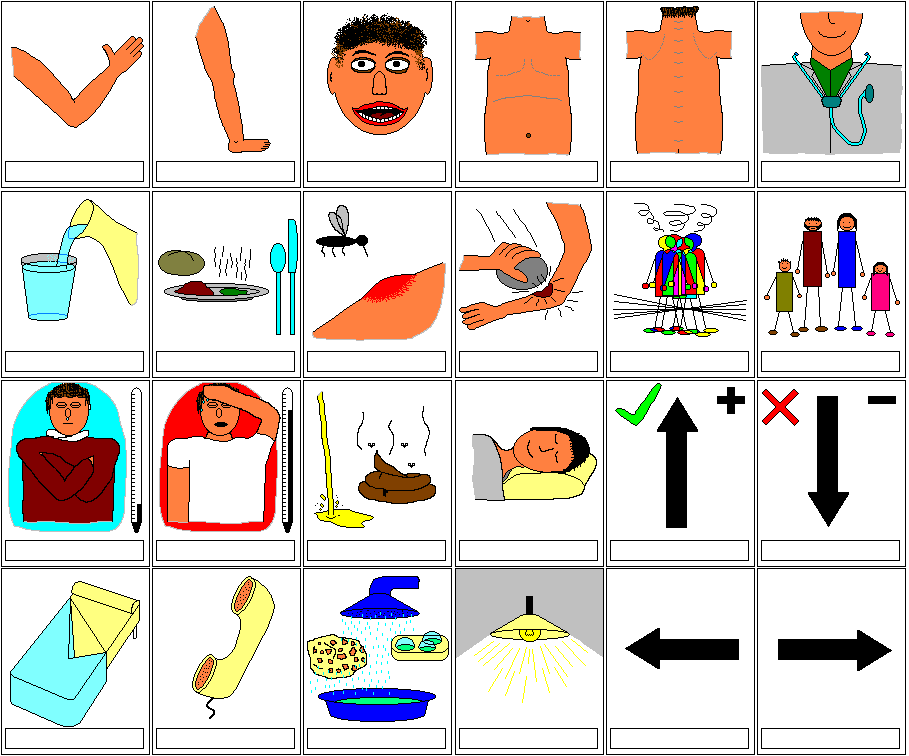
These tools are called assistive technology, or AT. AT is any tool that helps a person with a disability do everyday tasks. A screen reader can read a website out loud for someone who is blind. A light can flash when the doorbell rings for someone who is Deaf. A talking device can speak for someone who doesn’t use spoken words. Even a grab bar in the shower counts.
Some AT is high-tech, like a tablet with a speech app. Some is simple, like a pencil grip. What matters is that it fits the person using it.
The Assistive Technology Act of 1998 built on an older law from 1988. It gives money to every state and U.S. territory. Each one uses the money to run an AT program. Congress updated the law in 2004 and again in 2022.
Today, there are 56 of these programs. At each one, you can see how a tool works before you pick one. You can borrow a device to try at home, school, or work. You can get used equipment that has been cleaned and fixed, often for little or nothing. And you can get help paying for the devices you need.
This matters because AT can cost a lot. Buying the wrong device wastes money. Trying it first helps people choose the right one. From 2014 to 2024, these programs served more than 6.5 million people across the country.
Help in Florida
Florida’s program is called the Florida Alliance for Assistive Services and Technology (FAAST). FAAST has centers all around the state. You can try devices and borrow them for a short time. You can also learn how to use them. FAAST offers loans to help pay for AT, too.
To get started, call FAAST at 1-844-FL-FAAST. You can also visit their website to find a center near you.
Technology changes fast. New apps, smart home devices, and artificial intelligence (AI) tools open new doors for people with disabilities. But a tool only helps if people know about it and can get it.
The Assistive Technology Act helps with that. It gives people with disabilities, families, teachers, and caregivers a place to learn about tools, try them, and choose.
Twenty-eight years later, the goal is still the same. Get the right tool into the right hands, so everyone can take part in their community.