
National Family Caregivers Month 2025: Honoring the People Who Hold Our Communities Together
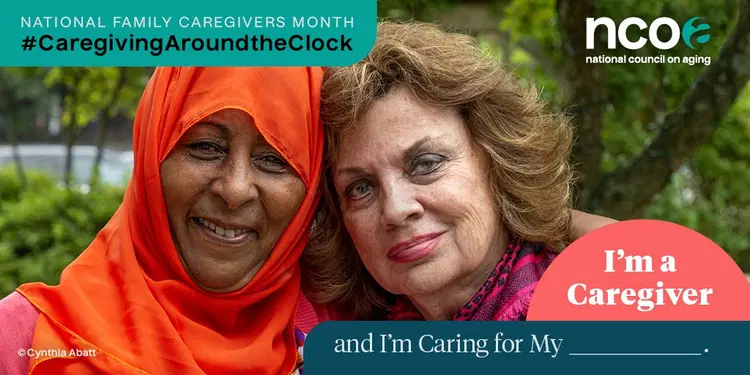 Every November, the United States observes National Family Caregivers Month (NFCM)—a time to recognize the millions of people who provide daily support, love, and care to family members and friends. First promoted in 1994 and recognized nationally since 1997, this month serves as both a celebration and a call to action.
In 2025, the theme is “Plug-In to Care,” encouraging caregivers to connect with community, support, and resources that can help lighten the emotional and physical load of caregiving. This theme arrives at a critical moment, as new research reveals that America is facing a caregiving crisis unlike any seen before.
The Reality of Caregiving in 2025
According to the newest AARP and National Alliance for Caregiving report, caregiving is more widespread and more intense than ever:
-
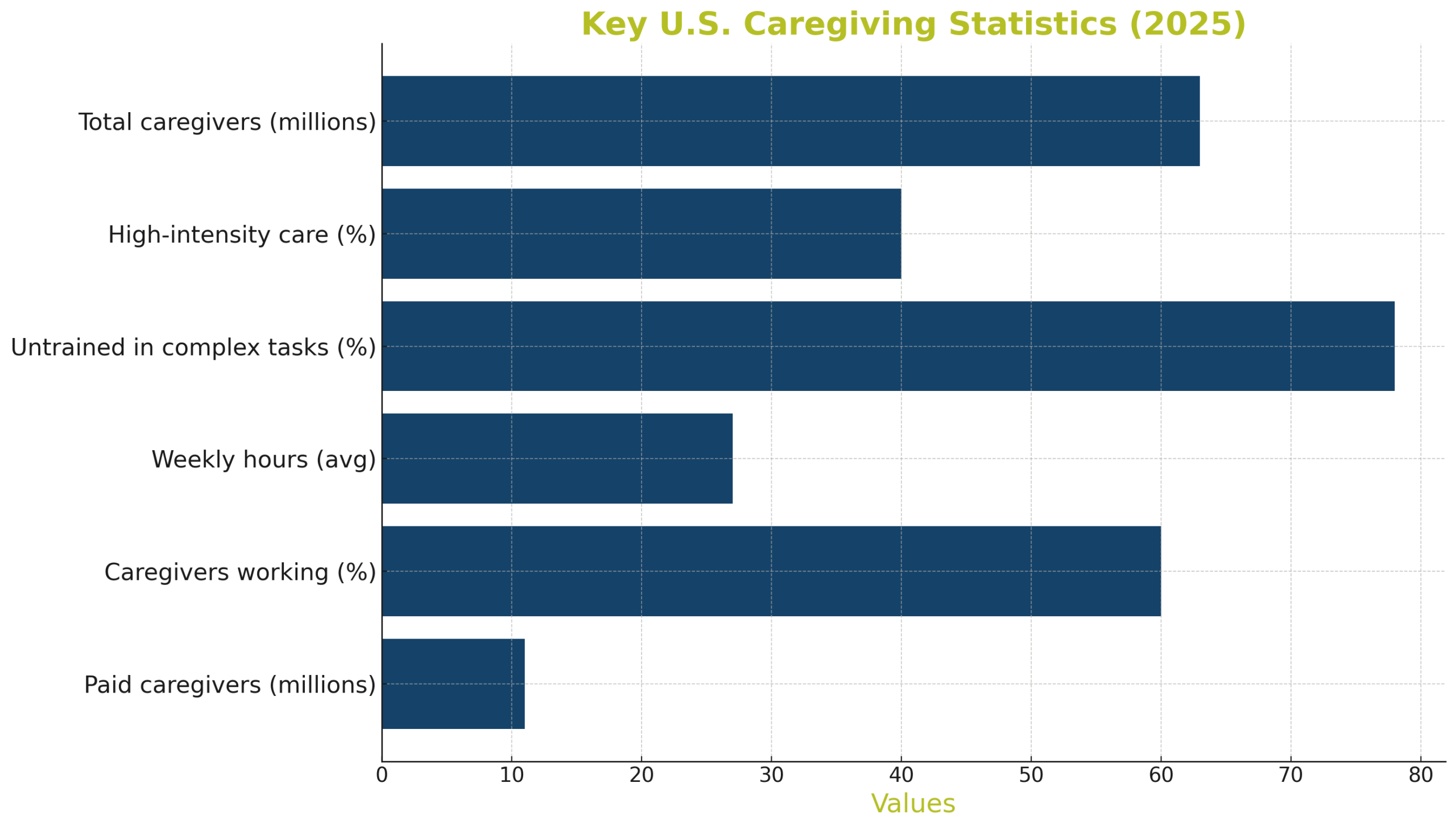
63 million Americans are family caregivers — 1 in 4 adults.
-
The caregiver population has increased by 20 million over the past decade.
-
40% provide high-intensity care involving complex or medical tasks.
-
Only 22% of those performing medical-level care have received training.
-
Caregivers provide an average of 27 hours per week, with many giving 40+ hours.
-
60% of caregivers are also employed, juggling work and care simultaneously.
-
Roughly 11 million receive compensation — a small fraction of the total.
Behind every statistic is a person carrying a tremendous load, often quietly and without recognition.
Caregiving and Disability: Inseparable Roles
For people with disabilities, family caregivers are often the foundation that makes independent and meaningful living possible. They coordinate medical care, manage supports, assist with daily routines, advocate in schools and workplaces, and help navigate systems that are too often inaccessible.
This makes NFCM especially important for disability organizations and advocates. When caregivers are supported, people with disabilities are supported. When caregivers burn out, families suffer — emotionally, financially, and physically.
Recognizing caregivers means recognizing the profound role they play in disability justice and community well-being.
Why This Month Matters
NFCM is not only a moment of appreciation — it is a reminder that caregivers deserve:
-
Recognition
-
Access to training
-
Employers who understand caregiving responsibilities
-
Mental health support
-
Respite and community resources
-
Inclusive health financing that addresses disability needs
Caregivers carry others. It is time for communities, systems, and policymakers to carry caregivers, too.
How You Can Honor Caregivers This November
-
Acknowledge a caregiver in your life.
-
Share supportive resources.
-
Offer a meal, a break, or a listening ear.
-
Advocate for policies that protect caregiver rights and expand access to disability services.
-
Amplify caregiver stories — especially in underrepresented communities.
Even small gestures can make a meaningful difference.
Closing Thought
Caregivers are the quiet infrastructure of our society — the ones who show up every day, often without applause, pay, or rest. This November, let’s honor their work, raise our voices for better support, and help build a future where every caregiver is recognized, valued, and supported.