
Black American Sign Language: History, Identity, and Cultural Significance
What Is Black American Sign Language?
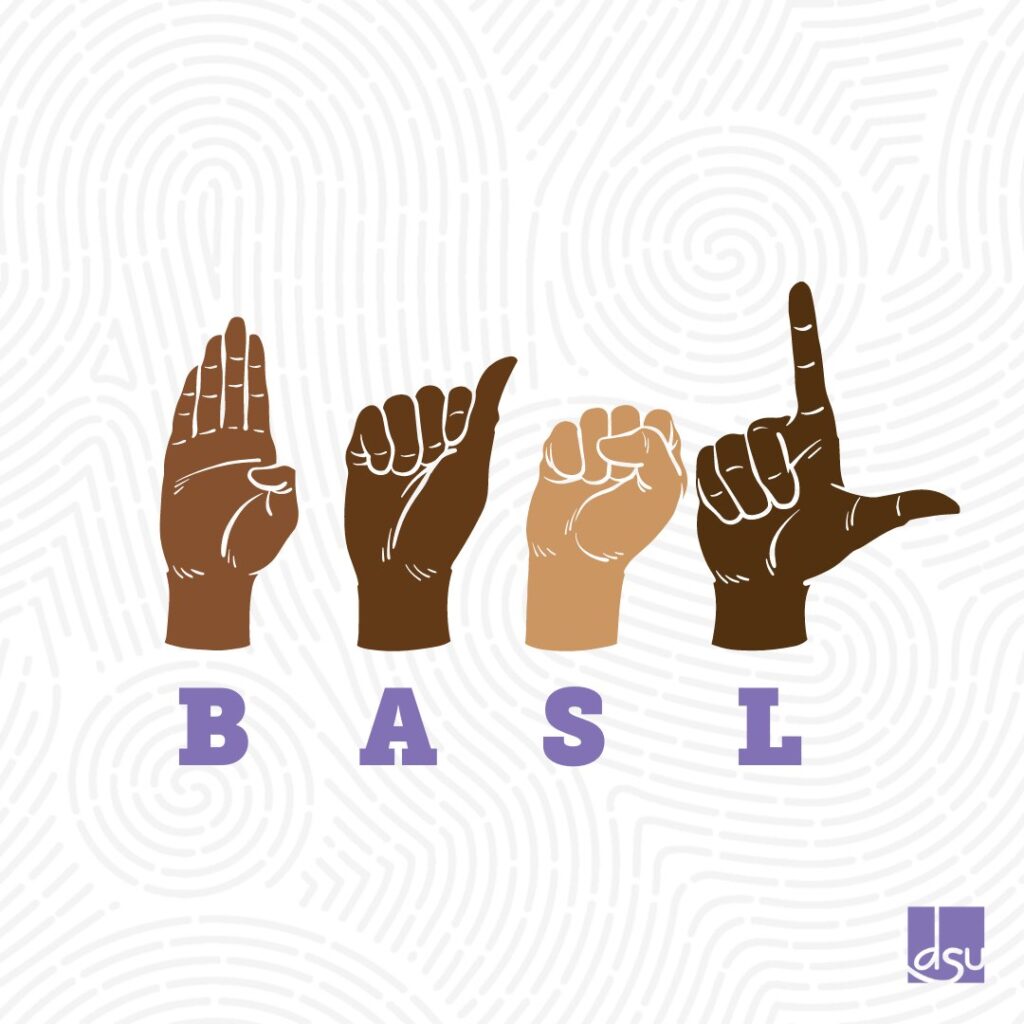
Black American Sign Language (Black ASL) is a distinct variety of American Sign Language that developed within Black Deaf communities in the United States. Like other language varieties, Black ASL has its own linguistic features, rhythms, and cultural expressions. It is not a separate language from ASL, but a rich and rule-governed variation shaped by history, community, and identity.
Black ASL reflects the lived experiences of Black Deaf people—combining language, culture, and resilience in the face of systemic exclusion.
The Historical Roots of Black ASL
The development of Black ASL is directly tied to racial segregation in the United States, particularly in education.
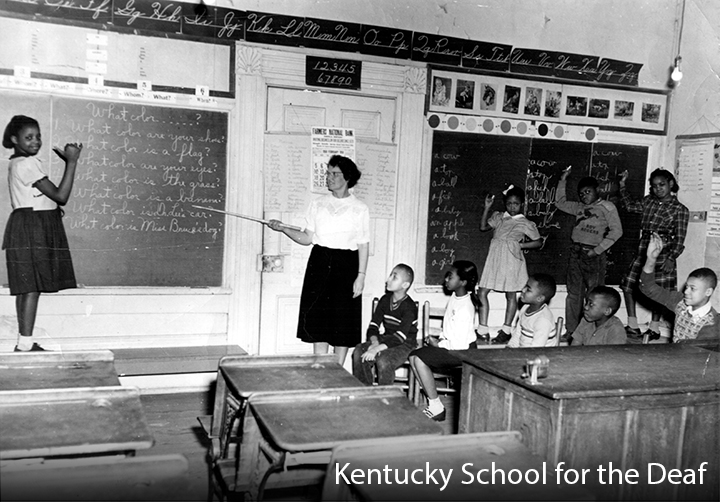
From the late 1800s through the mid-20th century, many states operated segregated schools for Deaf children. Black Deaf students were often excluded from white Deaf schools or placed in separate programs with fewer resources. Because language is shaped by community, this segregation led to the emergence of distinct signing patterns within Black Deaf communities.
Even after school desegregation following Brown v. Board of Education, many Black Deaf students faced barriers to full inclusion, reinforcing the continuation of Black ASL through community transmission.
Linguistic Features of Black ASL
Linguistic research—particularly by Black Deaf scholars—has identified several features commonly associated with Black ASL, including:
-
A larger signing space, often extending farther from the body
-
More two-handed signs compared to mainstream ASL
-
Greater use of facial expressions and body movement
-
Distinct vocabulary and idiomatic expressions rooted in Black culture
-
Rhythmic and expressive signing styles, often influenced by Black oral and visual traditions
Importantly, these features are not “incorrect” or “slang.” They are consistent, systematic, and linguistically valid—just like regional or cultural dialects in spoken languages.
Language, Identity, and Cultural Pride
For many Black Deaf individuals, Black ASL is deeply connected to cultural identity. It affirms belonging in both the Black community and the Deaf community—spaces where Black Deaf people have historically been marginalized.
Recognizing Black ASL also challenges the idea that there is only one “standard” or “correct” way to sign. Language diversity exists within ASL just as it does within English, Spanish, or any spoken language.
Honoring Black ASL means honoring Black Deaf lives, leadership, and self-expression.
Why Recognition of Black ASL Matters
Acknowledging Black ASL has real-world implications:
-
Education: Deaf education programs must respect linguistic diversity rather than suppress it
-
Interpreting: Interpreters must be trained to understand and respect Black ASL features
-
Healthcare & Services: Misunderstanding language variation can lead to miscommunication and inequitable care
-
Representation: Visibility affirms Black Deaf people as full participants in both disability and racial justice movements
Linguistic discrimination—often called language oppression—can harm access, dignity, and outcomes for Black Deaf individuals.
Black ASL Today
Today, Black ASL is increasingly recognized thanks to the work of Black Deaf scholars, educators, and advocates. Documentaries, academic research, and community-led storytelling have helped bring long-overdue visibility to Black Deaf history and language.
This recognition is not about dividing the Deaf community—it is about telling the full truth of Deaf history and ensuring equity, respect, and inclusion for all.
Sources:
Gallaudet University – Linguistics and Deaf Studies research
“The Hidden Treasure of Black ASL” (produced with Gallaudet University)
Dr. Carolyn McCaskill, Dr. Ceil Lucas, Dr. Robert Bayley, Dr. Joseph Hill – The Hidden Treasure of Black ASL: Its History and Structure (academic text)
National Association of the Deaf (NAD) – Cultural and linguistic equity resources
Smithsonian National Museum of African American History & Culture – Black Deaf history archives
Journal of Sociolinguistics & Sign Language Studies – Peer-reviewed linguistic research