
Building a World Where Everyone Belongs: From IDEIA 2004 to the International Day of Persons with Disabilities 2025
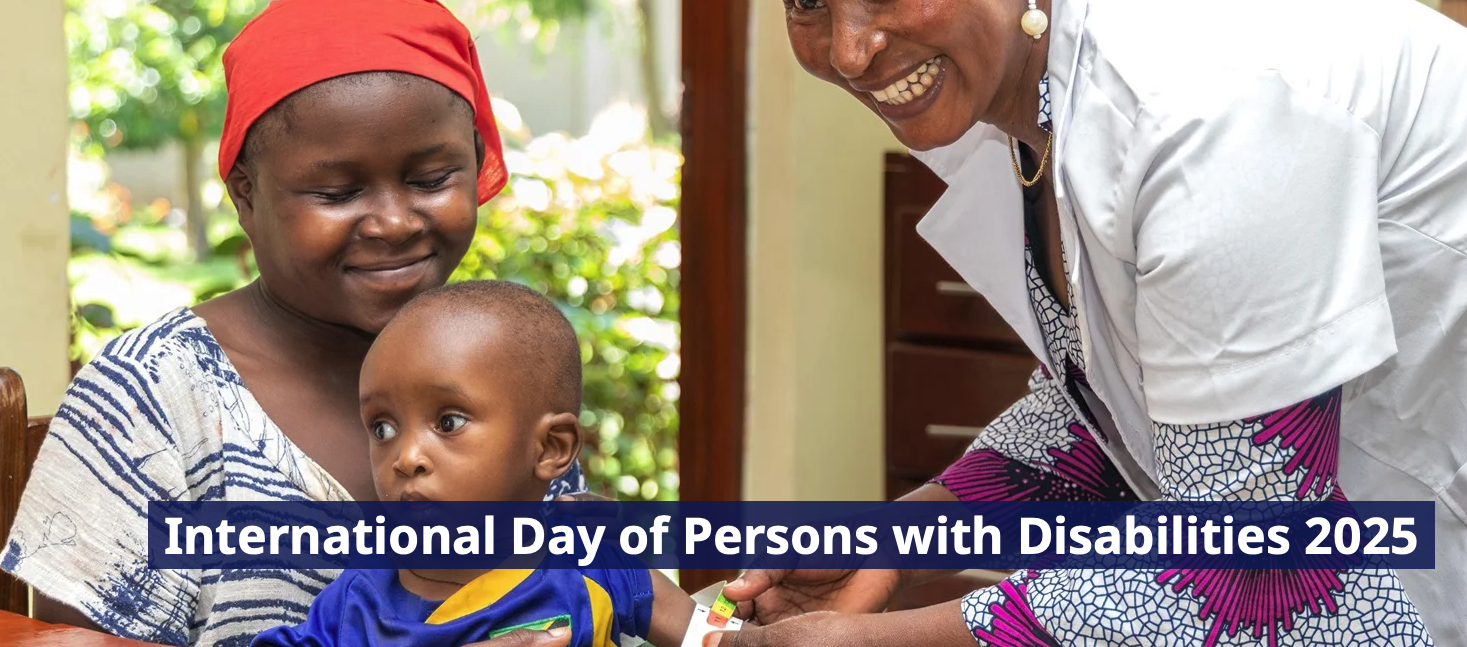
Every year on December 3, the world recognizes the International Day of Persons with Disabilities (IDPD)—a global reminder that inclusion, accessibility, and equity are not aspirations but obligations. In 2025, the World Health Organization (WHO) highlights a theme that strikes at the heart of disability justice:
Inclusive Health Financing for Health Equity.
This theme resonates deeply here in the United States, where disability rights are anchored in landmark laws such as the Individuals with Disabilities Education Improvement Act of 2004 (IDEIA 2004). While IDEIA focuses on education, and IDPD is an international observance, both share a common mission: to remove barriers, uphold human rights, and ensure that people with disabilities can participate fully in society.
Together, they reflect both the progress we’ve made — and the work that still lies ahead.
IDEIA 2004: Strengthening the Foundation of Disability Rights in Education
IDEIA 2004 is the major reauthorization of the original Individuals with Disabilities Education Act (IDEA), first passed in 1975. The 2004 update reaffirmed one of the most important civil rights protections for children with disabilities in the United States: the right to a Free Appropriate Public Education (FAPE) tailored to their unique needs.
Key features strengthened through IDEIA 2004 include:
-
Individualized Education Programs (IEPs): legally binding plans ensuring supports, accommodations, goals, and services.
-
Least Restrictive Environment (LRE): children must be educated alongside their non-disabled peers whenever appropriate.
-
Early Intervention: expanded services for infants and toddlers through Part C.
-
Evidence-Based Instruction: schools are required to use proven, research-backed methods.
-
Family and Student Rights: strong procedural safeguards to ensure parents have a voice, transparency, and recourse.
-
Accountability: consistent monitoring of educational outcomes for students with disabilities.
IDEIA 2004 built on the momentum of decades of advocacy, shifting disability education from a place of exclusion to one of belonging, access, and individualized support.
Yet even with IDEIA in place, many barriers remain—especially when disability intersects with poverty, health disparities, and systemic inequity.
That is where global observances like IDPD continue to matter.
International Day of Persons with Disabilities: A Global Movement for Inclusion
The United Nations first established the International Day of Persons with Disabilities in 1992, following the UN Decade of Disabled Persons (1983–1992) and the International Year of Disabled Persons (1981). The goal:
to promote the rights, dignity, and well-being of persons with disabilities worldwide.
More than thirty years later, December 3 has become a day of global recognition, reflection, and action. It urges governments, communities, and organizations to confront ableism, dismantle barriers, and build inclusive systems.
The heart of the observance is simple but profound:
Disability is a natural part of human diversity, and people with disabilities have the right to fully participate in every aspect of life.
This year’s theme makes that participation unmistakably clear.
2025 Theme: Inclusive Health Financing — Because Health Equity Is a Human Right
WHO’s theme for IDPD 2025 centers on a critical truth:
Health financing determines who receives care, who is left behind, and who is pushed into poverty.
With 1.3 billion persons with disabilities worldwide — roughly 16% of the global population — the failure to design equitable health financing systems creates long-term harm, deepening inequities and limiting independence.
WHO highlights several urgent challenges:
-
Catastrophic out-of-pocket costs for essential healthcare
-
Lack of insurance coverage for disability-related treatments, therapies, and medical devices
-
Financing systems that overlook accessibility and long-term support needs
These gaps do not just impact individuals — they affect families, caregivers, and entire communities. In the most serious cases, they force people into poverty simply because they need care that should be a right, not a privilege.
Inclusive health financing means:
-
Designing insurance systems that account for disability-related needs
-
Funding assistive technology, therapies, and medical devices
-
Expanding coverage for long-term and home-based supports
-
Ensuring affordability for low-income families
-
Investing in accessible clinics, hospitals, and health information
And critically:
Inclusive health systems benefit everyone — not just persons with disabilities. When countries build accessible and equitable services, they strengthen public health for the entire population.
The Connection: Education, Health, and True Inclusion
IDEIA 2004 and the International Day of Persons with Disabilities reflect different arenas — education and global health — but they share a unified message:
Inclusion requires intentional investment.
Whether in schools, hospitals, workplaces, or communities, people with disabilities thrive when systems are built withthem in mind — not retrofitted as an afterthought.
-
IDEIA ensures educational access.
-
IDPD demands dignity and human rights.
-
The 2025 theme calls for equitable health financing.
Together, they underscore a truth the disability community has voiced for generations:
Disability rights are civil rights. Health equity is a civil right. And inclusion is everyone’s responsibility.
Moving Forward: What We Can Do
At the Advocacy Network on Disabilities, we are committed to:
-
Lifting the voices of persons with disabilities
-
Supporting families navigating educational and healthcare systems
-
Advocating for accessible, equitable policies
-
Promoting inclusion across every sector
-
Educating our community about disability rights and history
December 3 is more than a date on the calendar.
It is a reminder that our work is part of a global movement — one rooted in decades of advocacy, resilience, and unwavering belief that everyone belongs.