Extreme Heat, Flooding & Hurricanes: Advancing Disability-Inclusive Climate Resilience in Miami
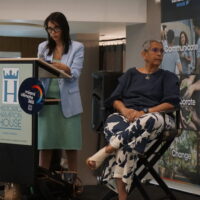
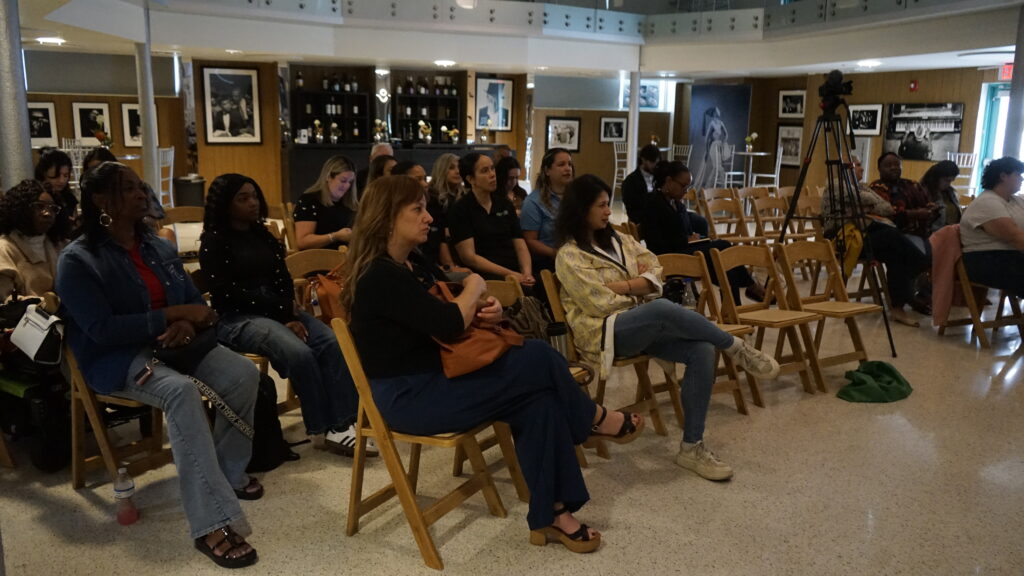
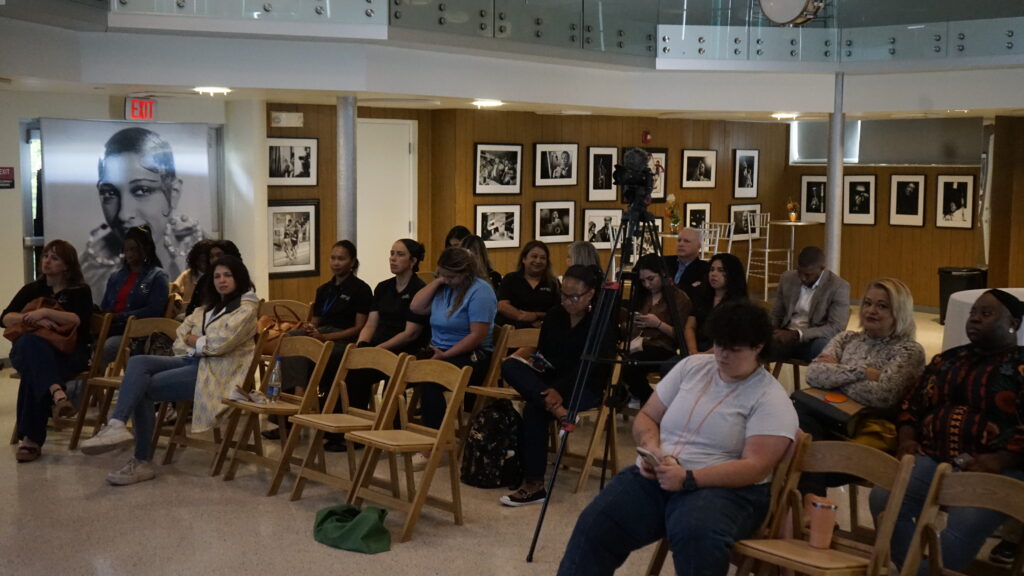
On March 20, 2026, as part of Miami Climate Week, the Advocacy Network on Disabilities hosted an important panel discussion titled “Extreme Heat, Flooding & Hurricanes — Building a Disability Accessible Climate Resilience Plan for Miami.” The event brought together advocates, experts, and community leaders to address a critical issue that is too often overlooked: the disproportionate impact of climate change on persons with disabilities.
Moderated by Irenaida (Ire) Diaz, President & CEO of the Advocacy Network on Disabilities, the panel featured distinguished speakers including Damian P. Gregory, Founder & CEO of Nothing About Us Without Us, LLC; Carlos Kaiser Mansilla, Executive Director of ONG Inclusiva (Chile) and a global expert in disability-inclusive disaster risk reduction; and Lorena Zenteno Villa, S.J.D. Candidate at the University of Miami School of Law and Climate Law and Policy Intern at the Advocacy Network on Disabilities.
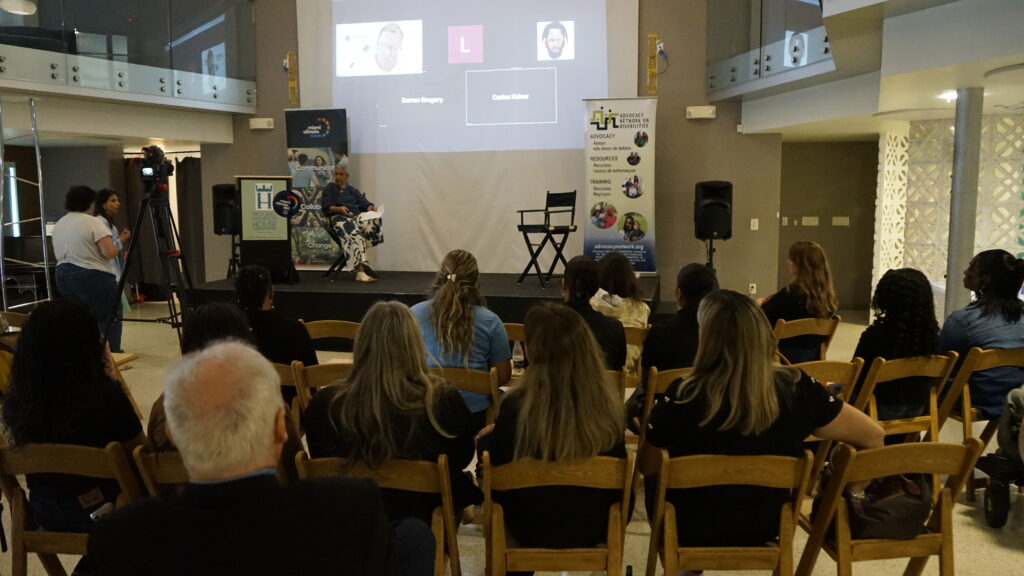
The conversation centered on the urgent reality that climate-related events such as hurricanes, extreme heat, and flooding create heightened risks for persons with disabilities. These risks include barriers to evacuation, inaccessible emergency communications, interruptions in care systems, and loss of access to essential resources such as electricity needed for life-sustaining medical equipment. When emergency planning does not account for disability, the consequences can be devastating.
Throughout the discussion, panelists emphasized that these outcomes are not inevitable. They are the result of systemic gaps in emergency preparedness, climate policy, and public planning that too often fail to include accessibility from the start. When persons with disabilities are excluded from planning, they are also excluded from effective response and recovery.
A central theme of the panel was the need to shift how disability is understood in climate resilience efforts. Persons with disabilities must not be viewed only as a vulnerable population, but as leaders, experts, and essential contributors to community resilience. The speakers shared examples of community-based solutions and called for stronger collaboration among government agencies, disability advocates, and environmental stakeholders.
The panel also made clear that disability inclusion is not simply a best practice. It is a legal obligation. Under frameworks such as the Americans with Disabilities Act (ADA), public entities are required to provide equal access to emergency services, including evacuation, shelters, and communication systems. Failing to incorporate disability into disaster planning can amount to discrimination under the law.
As Miami continues to confront the growing impacts of climate change, several priorities emerged from the discussion:
-
Integrating accessibility into all climate and disaster planning efforts
-
Ensuring meaningful participation of persons with disabilities in decision-making processes
-
Strengthening accessible early warning systems and evacuation protocols
-
Enhancing coordination across sectors to support inclusive resilience
This event reflects the Advocacy Network on Disabilities’ ongoing commitment to advancing disability-inclusive climate resilience and ensuring that no one is left behind in the face of growing environmental challenges. Building a stronger, safer Miami requires planning that includes everyone from the beginning.