
National Hugging Day: Why Respecting Personal Space Matters for Everyone
Every year on January 21, people across the country recognize National Hugging Day—a day meant to celebrate affection, warmth, and human connection. While hugs can be meaningful and comforting for many, this day is also an important opportunity to acknowledge something just as vital: not everyone is comfortable with physical touch—and that deserves respect.
For many people, including those who are neurodivergent, physical contact such as hugging can feel overwhelming, uncomfortable, or even distressing. Others may seek physical touch more frequently due to sensory needs. Neither experience is wrong. Comfort with touch is deeply personal, and honoring individual boundaries is a cornerstone of true inclusion.
Understanding Touch Through a Neurodiversity Lens
Neurodivergent individuals—including many people on the autism spectrum—often experience sensory input differently. In classrooms, homes, and community spaces, this can show up in various ways:
-
Some individuals are touch-averse and prefer minimal physical contact
-
Others may be overly tactile and struggle with understanding personal space
-
Many fall somewhere in between, with preferences that vary by environment, relationship, or moment
These differences are not behavioral problems. They are expressions of diverse neurotypes. Creating environments that respect those differences requires education, empathy, and consistency.
Teaching Consent and Personal Space in Action
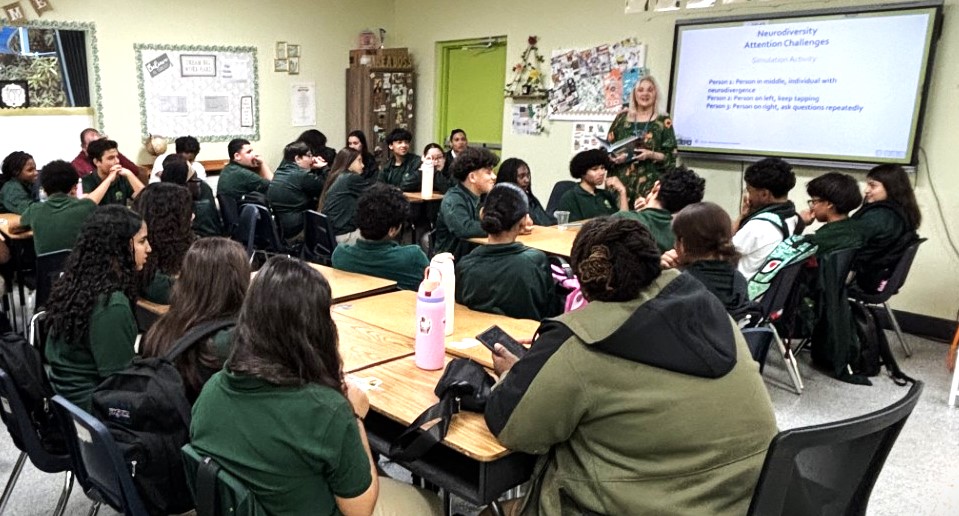
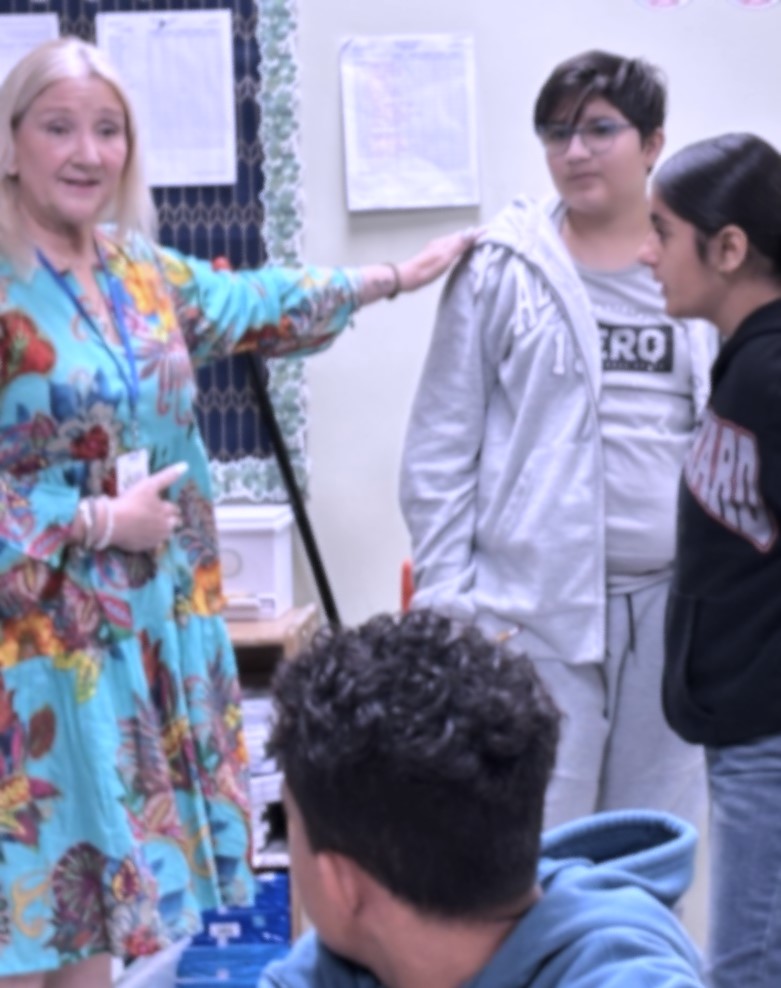
Recently, the Advocacy Network on Disabilities supported a two-day Workshop on Personal Space at Kid’s Learning Center III, led by Donna Wade, Senior Inclusion Specialist at the Advocacy Network on Disabilities.
The workshop was delivered in inclusion classrooms serving both neurotypical and neurodivergent eighth-grade students and focused on body autonomy, consent, and respect for personal boundaries.
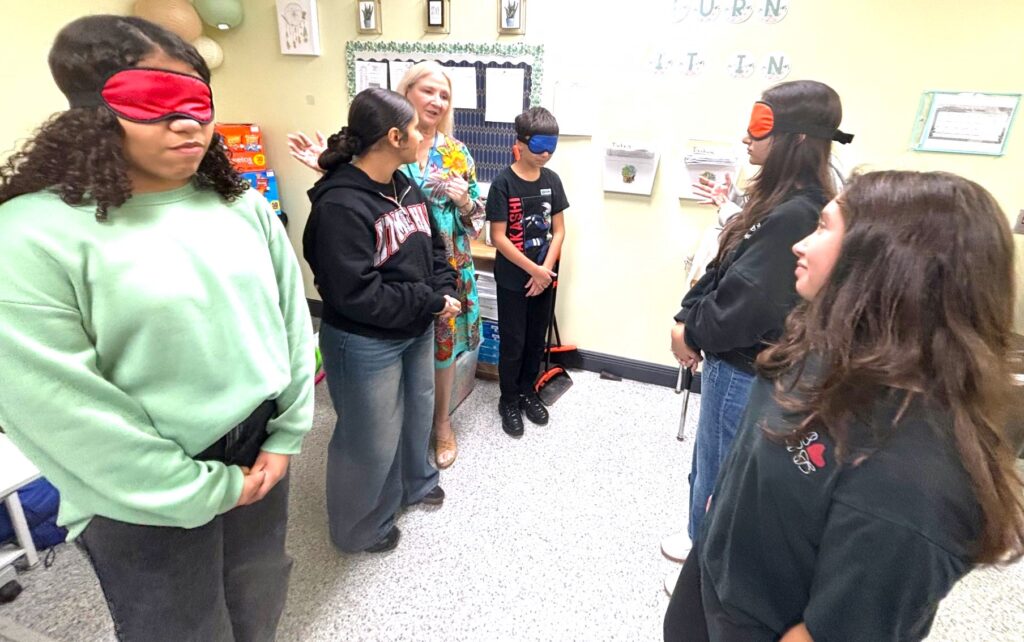
Through interactive, sensory-based activities, students explored what personal space looks and feels like—both for themselves and for others. One of the most impactful exercises used the “hula-hoop personal space” technique, where students visualized their physical boundary as a circle that others should not enter without permission.
Additional activities included:
-
Sensory simulations that encouraged students to wait for verbal cues before offering help or physical contact
-
Movement-based exercises to practice maintaining safe distance
-
Group discussions on verbal and nonverbal ways to express boundaries
What Changed for Students
Educators observed meaningful and encouraging shifts following the workshop:
-
Students who were previously touch-averse became more confident in advocating for their boundaries
-
Neurotypical peers showed increased awareness and greater respect for consent
-
Students who tended to cross boundaries began learning how to pause, ask, and wait
While some students with more significant support needs will require continued reinforcement, the workshop created a shared language around consent and personal space—an essential life skill that extends far beyond the classroom.
Extending the Learning Beyond the Classroom
One important takeaway from this work is that learning about boundaries shouldn’t stop at school. Many adults—especially neurodivergent adults—only realize later in life that it is acceptable to decline hugs or physical contact. Teaching these concepts early helps children develop confidence, self-advocacy, and respect for others.
To support families and educators, the Advocacy Network on Disabilities is sharing a simple, adaptable lesson plan that can be used at home or in classrooms. The activities are designed to make abstract concepts like personal space and consent concrete, playful, and age-appropriate.
Try This at Home or in Your Classroom
To help families and educators put these ideas into practice, we’ve created a free, ready-to-use lesson plan focused on teaching personal space, boundaries, and consent.
The activities require minimal materials, are easy to adapt for different ages and abilities, and are especially effective in neurodiverse classrooms and family settings where children may have different sensory needs or comfort levels with touch.
👉 Download the lesson plan and start the conversation today.
Reframing National Hug Day
This National Hugging Day, we invite our community to think more broadly about what connection looks like. Hugs can be beautiful and healing—when they are wanted. But connection can also look like:
-
Asking before touching
-
Respecting a “no” without pressure or judgment
-
Showing care through words, presence, or shared experiences
Bring the Conversation Into Everyday Moments
Whether you’re a parent, caregiver, or educator, teaching boundaries doesn’t have to be complicated. Our lesson plan offers practical tools and shared language you can use during playtime, transitions, or classroom activities to reinforce respect for personal space.
👉 Access the free lesson plan and use it with your children or students.
Teaching boundaries is not about limiting affection—it’s about teaching respect, autonomy, and belonging.